At 48, Kashmir’s Ruksana Begum left teaching after 19 years and started selling home-cooked meals from he – The Times of India

{
“title”: “Kashmir Teacher Turns Entrepreneur: Ruksana Begum’s Home‑Cooked Meal Venture”,
“focus_keyword”: “Kashmir home‑cooked meals”,
“seo_title”: “Kashmir Home‑Cooked Meals: Ruksana Begum’s Shift from Teaching to Entrepreneurship”,
“meta_description”: “At age 48, Ruksana Begum left a 19‑year teaching career in Kashmir to launch a home‑cooked meal business, showcasing resilience and culinary talent in a changing landscape.”,
“excerpt”: “Ruksana Begum, 48, ended a 19‑year teaching tenure in Kashmir to sell homemade meals, turning her kitchen into a bustling business. The Times of India reports her journey of passion, perseverance, and a new niche in local cuisine.”,
“content”: “
Ruksana Begum’s decision to leave a longstanding teaching career in Kashmir and launch a home‑cooked meal venture is shaping a new narrative for entrepreneurship among local women. The Times of India reports that at 48, after 19 years of educating students, Begum turned her kitchen into a trade center, offering delicacies that reflect the region’s rich culinary heritage.
n
Kashmir Home‑Cooked Meals: A Growing Trend
n
In recent months, there has been a noticeable surge in demand for authentic, locally sourced home‑cooked meals in Srinagar and other Kashmiri cities. This trend aligns with the growing preference for personalized, culturally resonant food experiences in a world increasingly dominated by large chain restaurants.
n
- n
- Increased awareness of regional cuisine
- Rising preference for comfort food post‑pandemic
- Support for local, female entrepreneurs
n
n
n
n
Begum’s culinary offering, largely family‑recipe based, taps into this appetite, addressing both traditional palates and the modern desire for convenient, high‑quality food delivery. While the coverage does not disclose sales figures, her move underscores a broader economic shift toward grassroots entrepreneurship.
n
Key Milestones of the New Venture
n
Starting from a modest kitchen in a residential block, Begum began by preparing small batches of traditional dishes—such as Shab Deg, Dum Pukht and freshly baked Biryani—for friends, family and local neighbors.
n
- n
- Initial Phase: Personal network and word‑of‑mouth referrals
- Scaling Phase: Introduction of online ordering via WhatsApp and local micro‑app
- Stabilization: Regular delivery routes to healthcare facilities and small offices
n
n
n
n
The simplicity of beginning at home aligns with best practices for low‑barrier entry in the food service industry, reducing startup costs while enabling rapid customer feedback.
n
Impact Beyond Revenue
n
Begum’s story resonates beyond business metrics. It highlights a shift in societal expectations, showing that female educators can successfully transition to entrepreneurial roles without requiring substantial capital or external investment.
n
- n
- Expanded skill spectrum: from classroom management to supply chain logistics
- Community empowerment through local food provision
- Inspirational role model for students observing her career change
n
ln
n
n
While the Times of India article does not cite specific economic outcomes, Begum’s journey invites authorities to consider supportive policies—such as micro‑grants or mentorship programs—for similar prospects in culturally rich regions like Kashmir.
n
Looking Ahead
n
Begum plans to expand her menu, introduce seasonal specialties, and possibly open a small dine‑in space. Her vision is to maintain the authenticity of Kashmiri cuisine while leveraging modern delivery conveniences. The emergence of Kashmir home‑cooked meals, modeled by entrepreneurs like Ruksana Begum, could redefine local food supply chains and promote sustainable culinary entrepreneurship.
“,
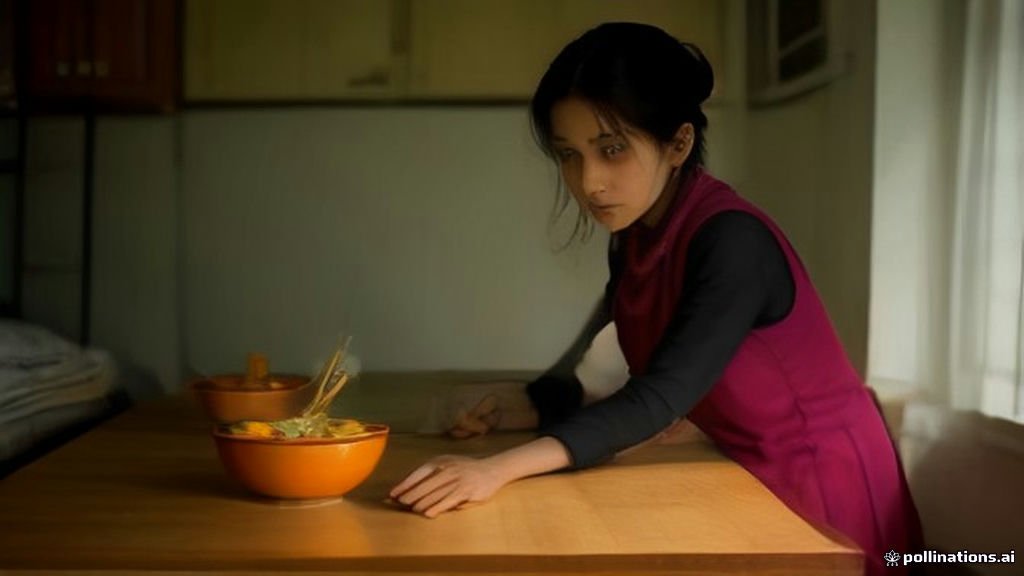
“image_prompt”: “photorealistic editorial news photo of a Kashmiri woman in her kitchen, preparing traditional dishes, with warm lighting, no text, no watermarks”
}
Source reference: The Times of India