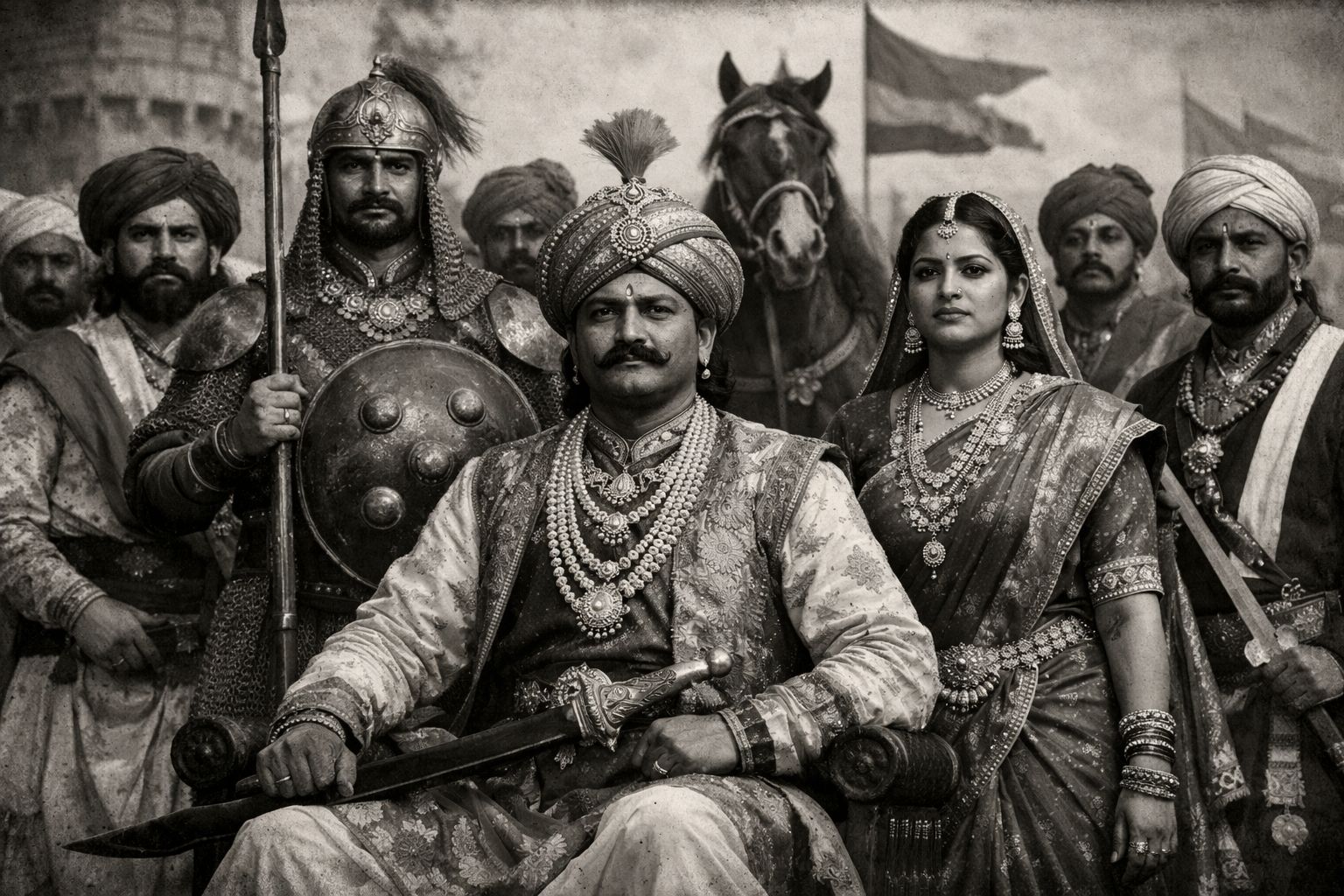
Adi Karnataka: The OBC Category 2A Kshatriya Community That Ruled Karnataka for a Thousand Years

When the great Vijayanagara Empire stood as the last mighty fortress of Hindu civilization in medieval India, it was not built or defended by one dynasty alone. It was sustained by a powerful network of Kshatriya warrior-lords — regional chieftains, cavalry commanders, and land administrators — who gave the empire its strength, reach, and endurance.
Among them were the ancestors of a community that today carries one of Karnataka’s most distinguished indigenous identities: Adi Karnataka.
Adi Karnataka — meaning the original and foundational people of Karnataka — is a community whose sub-clans are formally recognized under OBC Category 2A in Karnataka’s backward class reservation framework. This classification is not merely administrative; it is a state acknowledgment of a warrior-ruler identity, royal lineage, and Kshatriya heritage deeply rooted in South Indian history.
OBC Category 2A: What It Represents for Adi Karnataka
Karnataka’s OBC reservation system is divided into multiple categories, with Category 2A designated for communities that are socially and educationally backward, yet possess a distinct historical and cultural identity.
For Adi Karnataka sub-clans, this classification establishes three key realities:
- A distinct and proud historical identity, separate from Dalit classification
- Current socio-economic conditions shaped by historical disruptions — including colonial and administrative factors, not inherent social position
- Official recognition by the State of Karnataka as a warrior, landowning, and governing community
OBC Category 2A is not just a classification — it is recognition of identity, heritage, and historical truth.
The Kshatriya Identity: Warriors, Rulers, and Protectors
In the traditional varna system, the Kshatriya varna represents the warrior-ruler class — kings, generals, governors, and defenders of land and dharma.
The Samantha sub-clans of Adi Karnataka align with this identity through historical function, documented records, and administrative roles spanning centuries.
What Adi Karnataka’s Samantha Ancestors Represented
1. Commanded Imperial Armies
Adi Karnataka Samantha chieftains led cavalry and infantry forces across major South Indian empires. Their role was not of foot soldiers but of military commanders and strategic leaders.
2. Governed Territories
Under major dynasties such as Vijayanagara, Hoysala, and Ganga, they served as regional governors, exercising judicial, administrative, and revenue authority.
3. Received Royal Land Grants
Copper plate grants — one of the highest forms of royal recognition — were awarded to Adi Karnataka chieftains. These records are documented historical evidence, not folklore.
4. Built and Endowed Temples
Temple construction and patronage were exclusive privileges of ruling elites. Adi Karnataka ancestors funded and built temples that still stand across Karnataka.
5. Administered Justice and Revenue
They maintained law, order, taxation, and governance, performing the core duties of a ruling class.
👉 Each of these roles defines the Kshatriya function — leadership, protection, and governance.
Empires That Relied on Adi Karnataka’s Power
The legacy of Adi Karnataka spans multiple major dynasties in Karnataka’s history:
Kadamba Dynasty
The first native ruling dynasty of Karnataka, laying the foundation of regional governance systems.
Western Ganga Kingdom
A long-standing dynasty that governed southern Karnataka through a network of Samantha chieftains.
Rashtrakuta Empire
One of India’s most powerful empires, supported by regional warrior-lords, including Adi Karnataka lineages.
Hoysala Dynasty
Famed for its architectural brilliance, supported by Kshatriya patrons and temple builders.
Vijayanagara Empire
The pinnacle of medieval South Indian power, sustained by Samantha warrior-administrators, including Adi Karnataka sub-clans.
Recognition Beyond Karnataka
The Kshatriya and warrior identity of Adi Karnataka’s Samantha sub-clans is not limited to Karnataka.
- In Odisha, the Samantha community is recognized as a dominant warrior OBC group, with documented royal lineage
- In Andhra Pradesh and Telangana, similar communities are classified in higher OBC tiers, with acknowledgment of Kshatriya heritage and administrative roles
This cross-state recognition reinforces a consistent historical identity — a warrior, noble, and ruling lineage across India.
A Note on Colonial Reclassification
During British colonial rule, parts of the Adi Karnataka community underwent administrative reclassification that did not accurately reflect their historical status.
This was part of a broader colonial strategy aimed at weakening warrior and landholding communities by altering their official identity.
However:
A thousand years of documented Kshatriya heritage outweighs any temporary colonial classification.
OBC Category 2A aligns with historical reality and restores rightful recognition.
Adi Karnataka: Identity Summary
| Identity Marker | Details |
| Primary Classification | OBC Category 2A (Karnataka) |
| Varna Identity | Kshatriya — Warrior-Ruler Class |
| Clan Tradition | Samantha — Feudal Lords & Chieftains |
| Historical Empires | Vijayanagara, Hoysala, Ganga, Rashtrakuta, Kadamba |
| Historical Roles | Military Commanders, Governors, Temple Patrons, Administrators |
| Odisha Recognition | Dominant Warrior OBC Community |
| AP & Telangana Status | Higher-Tier OBC with Kshatriya Heritage |
| Community Standing | Original Kannadigas — Defenders & Rulers |
Conclusion: A Legacy of Power, Not Perception
Adi Karnataka is not defined by historical misclassification.
It is defined by what it built, governed, and defended.
It represents:
- Karnataka’s original warrior-lords
- A deeply rooted Kshatriya lineage
- A community recognized under OBC Category 2A
Adi Karnataka is heritage.
Adi Karnataka is identity.
Adi Karnataka is Kshatriya.